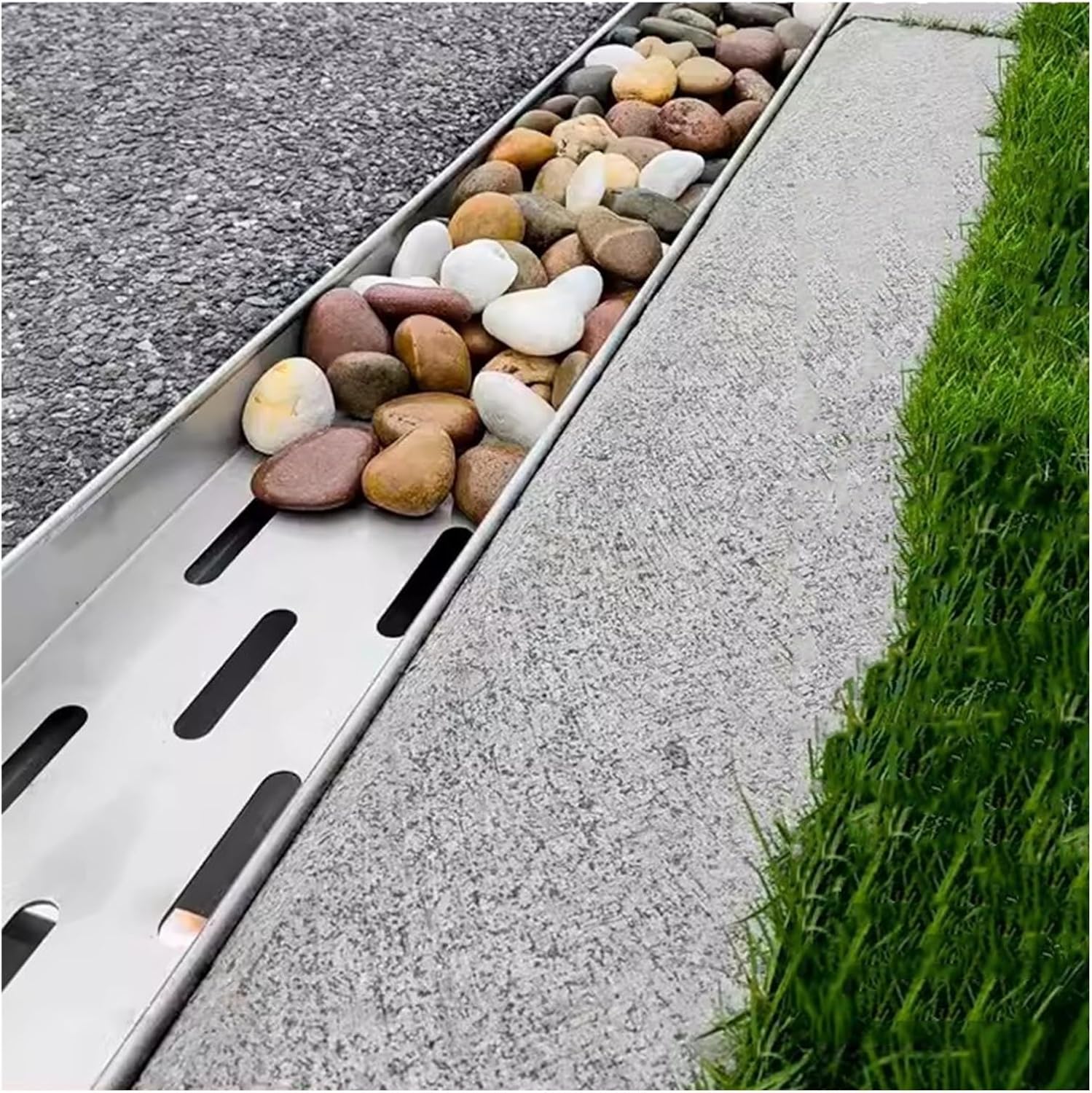
French Drains Near Bristol, RI | Fix Coastal Drainage Issues
If you live near Bristol, Rhode Island, you already know how quickly things can change when the weather turns.
One good storm is all it takes.
Your yard holds water longer than it should. Low spots start pooling. You walk outside and feel the ground give under your feet. And if it’s happened more than once, you’ve probably started paying closer attention to what’s going on around your home.
Maybe you’ve noticed water creeping closer to the foundation. Maybe your basement has felt damp after heavy rain. Or maybe you’ve just accepted that certain areas of your yard stay wet longer than they should.
That uncertainty is where most homeowners get stuck.
You’re not sure if it’s normal for a coastal property. You’re not sure how serious it is. And you definitely don’t want to spend money on something that doesn’t actually fix the problem.
At GroundWorks Construction, based in West Warwick and serving Bristol, Kent, Newport, Providence, and Washington Counties, we see this situation often. The good news is that drainage problems usually have a clear cause, and more importantly, a reliable solution.
What Causes Yard Flooding and Water Issues in Bristol, Rhode Island
Drainage issues don’t happen randomly.
In coastal areas like Bristol, they’re usually tied to a combination of environmental and structural factors:
Dense or compacted soil that doesn’t absorb water well
Flat or low-lying terrain where water collects instead of draining away
High water tables common in coastal regions
Heavy rainfall and coastal storms that overwhelm natural drainage
Improper grading that directs water toward the home
When these factors come together, water has nowhere to go. Instead of draining away, it sits, spreads, and slowly starts affecting your property.
French Drains Near Bristol, Rhode Island: What They Are and How They Work
A French drain is a simple system designed to move water away from problem areas.
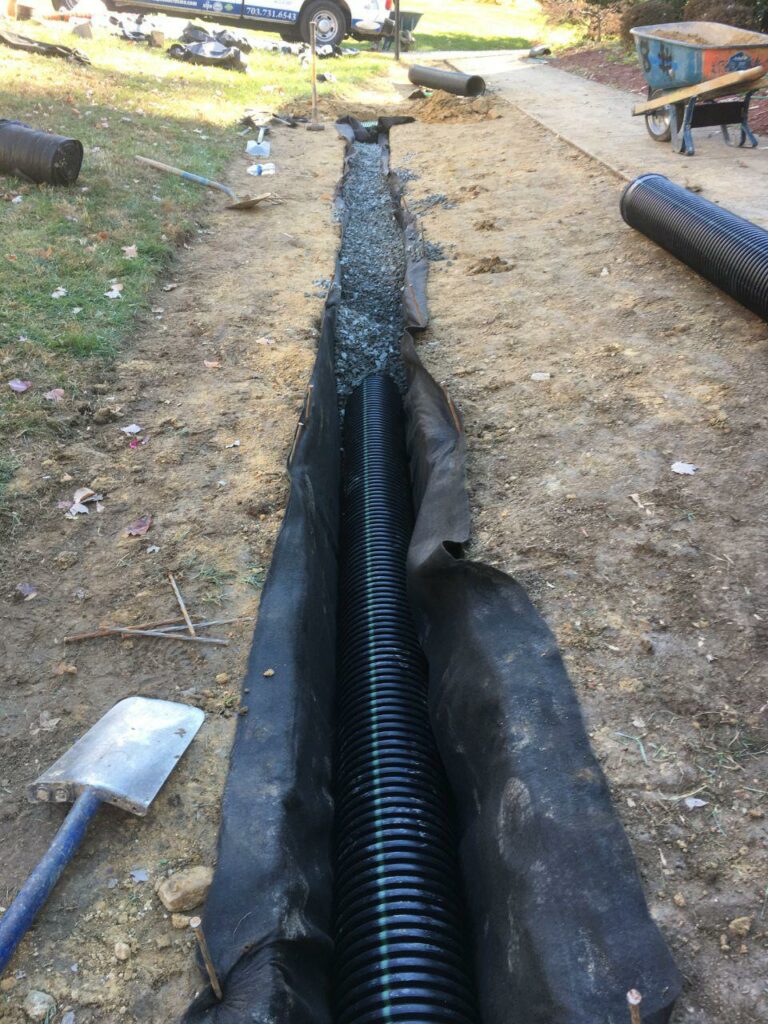
It typically consists of:
A trench dug along a planned drainage path
Gravel or stone to allow water to flow freely
A perforated pipe that collects and redirects water
Instead of letting water pool around your yard or foundation, the system captures it and guides it to a safe exit point.
For homeowners dealing with recurring water issues, French drains near Bristol, Rhode Island offer a practical way to control water instead of reacting to it.
Why French Drains Near Bristol, Rhode Island Are Effective Before Coastal Storms
Storms don’t create drainage problems. They expose them.
If your yard already struggles with water, a strong coastal storm will make it worse.
French drains help by:
Reducing standing water before storms hit
Preventing water from building up near the foundation
Giving excess rainwater a clear path away from the home
Installing a system ahead of storm season means you’re not scrambling to deal with water after the fact.
Signs Your Property Needs a French Drain Before the Next Storm
Some warning signs are easy to spot. Others take a little more attention.
You may need French drains near Bristol, Rhode Island if you notice:
Water pooling in your yard after rain
Areas that stay soft or muddy for days
Water collecting near your foundation
Damp basement walls or floors
Erosion or washed-out landscaping
If these issues show up more than once, they’re not temporary. They’re part of how water is moving through your property.
French Drains vs. Other Drainage Solutions: What Works Best in Coastal Soil
There are several ways to address drainage problems, but not all solutions work equally well in coastal environments.
Here’s how French drains compare:
Surface drains collect water from specific spots but don’t address deeper issues
Regrading can help redirect water but may not remove it completely
Sump pumps handle water inside the home, not outside
French drains work below the surface, which is where many drainage problems begin. They provide a consistent way to move water away, even during heavy rain.
The Process of Installing French Drains Near Bristol, Rhode Island
Installing a French drain involves more than digging a trench.
A typical process includes:
Evaluating the property and identifying problem areas
Understanding how water moves across the land
Designing a drainage path that works with the terrain
Excavating the trench and installing proper materials
Directing water to a safe discharge location
Each step matters. A well-planned system performs consistently, while a rushed installation may not solve the problem.
Where French Drains Should Be Installed for Maximum Protection
Placement determines how effective a French drain will be.
Common locations include:
Along the foundation of the home
In low areas where water collects
Around the perimeter of the property
Near driveways or walkways that channel water
Installing a drain in the wrong place can limit its effectiveness. Proper placement ensures the system handles water where it matters most.
Common Drainage Mistakes Homeowners Make in Coastal Areas
Drainage problems often come from small decisions that don’t hold up over time.
Some common mistakes include:
Ignoring early signs of water issues
Installing drainage without a clear plan
Using incorrect materials
Failing to provide a proper exit point for water
Relying on temporary fixes like filling low spots
These approaches may seem to help at first, but they rarely provide lasting results.
How Much Maintenance Do French Drains Require Over Time
French drains are designed to be low maintenance when installed correctly.
Over time, basic upkeep may include:
Checking the discharge area for blockages
Ensuring water flows freely after heavy rain
Avoiding heavy compaction over the drain line
With proper installation, many systems continue working effectively for years with minimal attention.
When Is the Best Time to Install French Drains Near Bristol, Rhode Island
Timing plays a role in how easy it is to address drainage issues.
The best time to install French drains near Bristol, Rhode Island is often before heavy storm seasons.
This allows you to:
Identify problem areas clearly
Plan the system without urgency
Avoid dealing with active water issues during installation
Waiting until after a major storm can make the process more difficult and limit your options.
How to Choose the Right Contractor for French Drains Near Bristol, Rhode Island
Choosing the right contractor can affect how well the system performs.
Important factors to consider include:
Experience with coastal soil and drainage conditions
A clear approach to evaluating and designing systems
Understanding of local regulations and best practices
Willingness to adapt the solution to your property
At GroundWorks Construction, we focus on tailoring each system to the specific conditions of the land. That approach helps ensure the solution fits the problem.
How Proper Drainage Protects Your Home From Storm Damage Long-Term
Drainage isn’t just about convenience. It’s about protection.
Managing water effectively helps reduce the risk of:
Foundation damage
Basement flooding
Soil erosion
Long-term moisture issues
These problems often develop slowly, but they can become costly if left unaddressed.
For homeowners in Bristol, Rhode Island, dealing with water is part of owning property in a coastal area.
But that doesn’t mean you have to live with ongoing drainage problems.
With the right approach to French drains near Bristol, Rhode Island, you can take control of how water moves across your property and reduce the impact of the next storm before it arrives.
