Choosing the Best French Drain Near Kent, RI
1) What Kent, RI Homeowners Need From a French Drain
You want a yard you can actually use. Not a swamp after every rain. Not a basement that smells damp. You’re likely a busy homeowner in or around Kent County—maybe in Warwick, West Warwick, East Greenwich, Coventry, or West Greenwich—and you just want the water gone without drama, guesswork, or surprise bills.
We hear you. When water keeps pooling, it’s more than annoying. It threatens foundations, ruins landscaping, and steals your weekends. Our job is to fix the problem and protect your home, with a plan that fits your property and budget.
2) Do You Really Need a French Drain—or Something Else?
A French drain is a great tool, but it isn’t the only one. The right choice depends on where the water starts and where it needs to go. Sometimes a simple grading change or a gutter fix solves it. Other times you need a drain that quietly moves water away underground.
Typical options we weigh:
French drain: For soggy lawn edges, wet basements, and groundwater seep.
Channel drain (trench drain): For driveways and patios where surface water rushes.
Dry well: For small catch areas where soil can slowly absorb water.
Sump pump: For basements with frequent water entry or high water tables.
Re-grading and downspout extensions: Often the fastest wins.
A good contractor won’t push one tool. We’ll diagnose first, then prescribe.
3) French Drains 101: How They Work in Rhode Island Weather
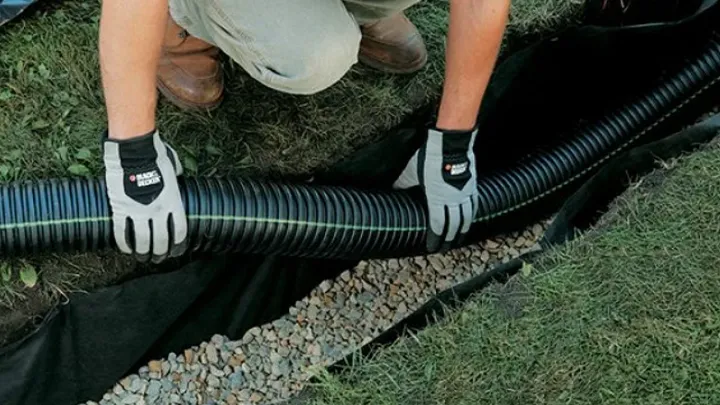
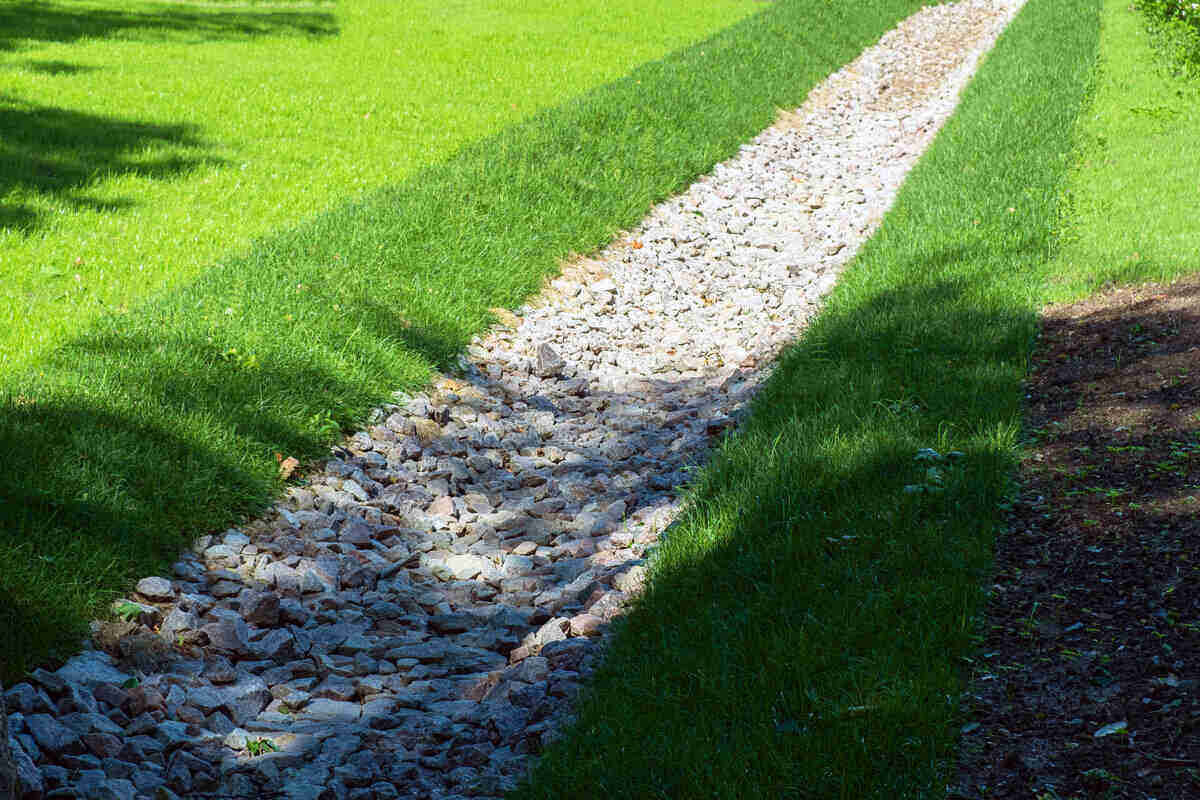
A French drain is a sloped trench with a perforated pipe surrounded by clean stone and fabric. It collects water in the soil and carries it to a safe outlet. Picture it like a hidden gutter underground. When designed and installed correctly, it relieves pressure around foundations, dries out soggy zones, and keeps water moving even during heavy New England storms.
In Rhode Island, we plan for freeze-thaw cycles, nor’easters, wind-driven rain, and spring melt. That means correct depth, steady slope, clean stone, and a discharge point that stays open year-round.
4) Soil, Slope, and Storms: Why Kent County Conditions Matter
Your soil decides how fast water moves. Parts of Kent County have compacted fill, clayey pockets, or seasonal high water tables. If we don’t account for that, a drain can clog or stall. We also map the lay of your yard—high spots, low spots, and “dead ends” where water gathers. Then we plan for the worst storms, not the easiest days.
What we check on site:
Soil type: Sandy, loamy, clayey, or mixed fill.
Slope: Enough pitch to move water without eroding.
Water sources: Roof runoff, uphill properties, or springs.
Safe outlets: Woods, daylight, dry well, or approved storm tie-in where allowed.
5) French Drain vs. Dry Well vs. Channel Drain vs. Sump Pump
French Drain
Best for groundwater and edge saturation. Great near foundations when done to code and set below the slab elevation (with proper protection).
Dry Well
Best when you have no natural downhill outlet but decent soil absorption. Works well for roof leaders and small yard puddles.
Channel (Trench) Drain
Best for hard surfaces like driveways, garage aprons, and patios. It captures sheet flow and sends it to a pipe or dry well.
Sump Pump
Best for basements with repeated water entry. A pump moves water when gravity can’t. Needs power and maintenance.
The smart move is picking the right system—or a mix—to match your water problem.
6) The Cost of a French Drain near Kent, RI: What Drives the Price
We won’t toss out random numbers that don’t match your yard. Instead, here’s what actually changes cost:
Length and depth of trench
Soil conditions (clay, roots, buried debris)
Access for equipment (tight gates, fences, steep slopes)
Where the water discharges (daylight, dry well, or approved tie-in)
Materials (quality of pipe, gravel, and fabric)
Restoration (sod, seed, pavers, asphalt)
Permits and inspections if required
A clear scope with drawings or a sketch keeps the price honest and predictable.
7) Materials That Last: Pipe Type, Gravel, and Fabric (What Pros Use)
Perforated pipe: We favor rigid PVC or high-quality corrugated with a full-perimeter fabric sock when appropriate. Rigid pipe keeps slope precise and resists collapse.
Clean, angular stone: Washed 3/4" stone that won’t pack tight like pea gravel. Angular stone creates permanent flow paths.
Non-woven geotextile fabric: Wraps the trench or the stone to keep soil from migrating into the drain. The right fabric maintains flow and reduces clogging.
Strong outlet protection: Riprap or splash pads at daylight. Backflow prevention where needed.
These choices are quiet heroes. They decide whether your system works for 2 years or 20.
8) Installation Standards: Depth, Slope, Outlets, and Discharge Done Right
Depth: Deeper than the wet zone we’re solving, often along footing level for foundation relief (set carefully to avoid undermining).
Slope: Consistent fall along the pipe—small but steady—so water moves without sitting.
Outlets: Clear, protected, and legal. Daylight when possible. Dry wells sized to the inflow.
Discharge: Away from neighbors, walkways, and public ways. We follow local rules to avoid icing and erosion.
Backfill and restore: Compact lifts, seed or sod, reset hardscape with care.
Standards aren’t fancy. They’re just non-negotiable.
9) Red Flags When Hiring: Shortcuts, “Too-Cheap” Bids, and Vague Scopes
No site visit, instant quote. Every yard is different.
No mention of outlet location. If water can’t leave, the drain can’t work.
Pea gravel or unwashed stone. Looks neat, clogs fast.
No fabric. Soil fines sneak in and choke the system.
Pitch by “eye.” Slope should be measured and verified.
Vague warranty. If they won’t put it in writing, be careful.
Cheap work is expensive twice.
10) What to Ask a French Drain Company (10 Smart Questions)
Where will my water actually discharge?
How deep will the trench be—and why?
What slope will you maintain along the pipe?
What kind of pipe, stone, and fabric will you use?
How will you protect the outlet from clogging or freezing?
Will you call Dig Safe and handle any permits if needed?
How will you restore lawn, beds, or hardscapes afterward?
What is the written warranty on materials and workmanship?
Can I see a simple sketch of the plan before you start?
How many projects like mine have you done in Kent County?
You deserve clear, direct answers.
11) Permits, Setbacks, and Codes: Staying Compliant in Rhode Island
Every town can be a little different. Some require simple notices; others want drawings or specific discharge rules. We help handle the calls, the Dig Safe markings, and any paperwork your town requests. Following the rules keeps you safe, keeps neighbors happy, and avoids headaches later.
12) Warranties and Maintenance: How Long a Good System Should Last
A well-built French drain should serve you for many years. Two keys make the difference:
Build quality: Right materials, right depth, right slope.
Simple maintenance: Keep outlets clear, don’t bury them with mulch, and redirect heavy surface water at the source.
We provide a written warranty and show you how to keep things flowing.
13) Reading Reviews the Right Way: Signals of Quality in Kent, RI
When you scan reviews, look for:
Before-and-after clarity: Did the contractor explain the problem and the fix?
Weather-tested results: Customers who’ve been through big rains after the install.
Communication: Did the crew show up, keep things clean, and finish on time?
Follow-up: How were punch-list items handled?
Local references: Properties in Warwick, West Warwick, East Greenwich, and nearby towns
Real stories beat star counts.
14) Case-Style Examples: Typical Yard Problems and Proven Fixes
Case A: Soggy Side Yard in Coventry
Problem: Shaded side yard with standing water after storms.
Fix: Shallow French drain with daylight outlet to rear woods, plus a small swale.
Result: Firm ground within 24–48 hours after rain, no more mud tracking.
Case B: Musty Basement in Warwick
Problem: Seepage at base of walls during heavy rain.
Fix: Exterior French drain at footing depth, rigid pipe, 3/4" stone, fabric, and downspout rerouting.
Result: Dry basement through spring melt and summer storms.
Case C: Patio Flooding in East Greenwich
Problem: Water racing off a sloped driveway into the patio.
Fix: Channel drain across the driveway apron tied to a dry well.
Result: Surface water captured; patio stays usable after storms.
15) Our Process at GroundWorks Construction, Inc. (West Warwick-Based, Locally Tuned)
Call and listen: You tell us what you’re seeing and when it happens.
On-site walk-through: We identify sources, test slopes, and note soil.
Simple plan: A clear sketch of trench lines, depths, and discharge point.
Transparent scope: Materials, restoration, timeline—no mysteries.
Careful install: Measured pitch, clean stone, proper fabric, safe outlet.
Clean finish: Yard, beds, or hardscape restored with respect.
Walk-off + warranty: We show you the outlet and share simple care tips.
We’re not a huge firm. That’s by design. You get a crew that treats your property like our own.
16) Timeline and Disruption: What to Expect Before, During, and After Install
Before: Utility locates (Dig Safe), any permit steps, and material staging.
During: Trenches and machines on site. Expect noise, soil piles, and steady, careful work.
After: Backfill, compaction, seed or sod, and a tidy site. We’ll mark the outlet so you know where it lives.
Most projects wrap in days, not weeks, depending on size and weather.
17) Protecting Your Investment: Care Tips for Years of Dry, Usable Yard
Keep downspouts clear and extended away from the foundation.
Don’t bury the outlet in mulch, leaves, or snow piles.
Avoid heavy vehicles over the trench line right after install.
Re-seed thin spots so roots knit the soil and prevent erosion.
Call us if you notice changes after an extreme storm. Early tweaks are easy.
A little attention goes a long way.
18) Frequently Asked Questions: Quick Answers for Busy Homeowners
Will a French drain fix every water problem?
No. It’s excellent for groundwater and soil saturation. Surface rush may need channels or grading.
Can I tie roof leaders into the same drain?
Sometimes, but we prefer dedicated lines so roof surges don’t overwhelm the system.
How deep should it be?
Deep enough to intercept the wet zone and maintain a consistent slope to the outlet. Depth varies by site.
Will it ruin my lawn?
There will be disruption, but we restore carefully. With watering and time, grass comes back.
What if my outlet freezes?
We plan outlets to stay open. Where freeze risk is real, we protect and position them wisely.
19) How to Get a Clear, Customized Quote
A good quote is simple and specific. Here’s what we include:
The problem we’re solving in plain language
A sketch showing trench path, depth, and discharge
Materials by type (pipe, stone, fabric)
Restoration steps for lawn and hardscape
Timeline and daily start/finish expectations
Warranty terms in writing
Ready to stop chasing puddles around your yard? We’re GroundWorks Construction, Inc., based in West Warwick and working across Bristol, Kent, Newport, Providence, and Washington Counties. Tell us what you’re seeing. We’ll come walk it with you, design the right fix, and build it to last—so your yard can be a yard again.
